_1762508637542.webp)
Angelica Officinalis Extract vs Angelica Sinensis Extract
May 21, 2026
Knowing the difference between Angelica Officinalis Extract and Angelica Sinensis Extract is very important when looking at plant ingredients for your products. Angelica Officinalis Extract, which comes from Angelica archangelica L., has unique healing and antioxidant qualities that make it great for use in cosmetics and nutraceuticals. On the other hand, Angelica Sinensis, also known as Dong Quai, is mostly used to improve the health of your circulatory system and hormones. Recognizing these botanical differences is important for procurement managers and R&D leaders who are making decisions about where to get raw materials. It helps with formulation performance, legal compliance, and market differentiation, which in turn supports product innovation and competitive positioning.
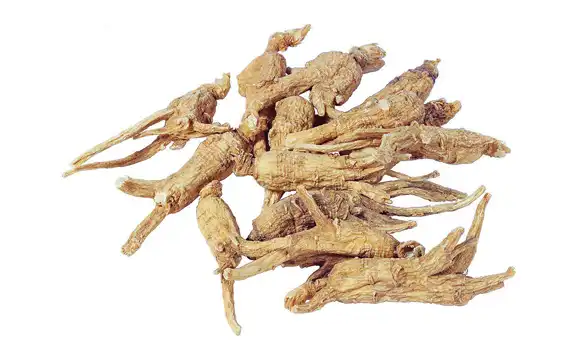
Overview of Angelica Officinalis and Angelica Sinensis Extracts
Botanical Origins and Taxonomy
These two plants are both in the Apiaceae family, but they come from different parts of the world and have been used in different ways for a long time. Angelica archangelica is native to northern Europe and does best in cool, damp places. It has been used as a medicine in Europe since the Middle Ages. The root material that was extracted has a unique smell that is a mix of musky, herbaceous, and spicy notes. Angelica sinensis, on the other hand, grows mostly in highland areas of China and has been an important part of Traditional Chinese Medicine for hundreds of years, especially in formulas for women's health. When you're buying from a business, it's important to know how to verify plant sources. Our Angelica Officinalis Extract has to go through Thin Layer Chromatography identification to make sure it is the right species and stop it from getting contaminated with similar species. This quality control measure handles a common problem in the industry: changing or adding to raw materials in a way that affects the stability of the formulation.
Traditional Knowledge Meets Modern Validation
Angelica archangelica has been used traditionally in European herbalism to help the digestive system, keep the lungs healthy, and reduce gas. Many old uses have been proven to be true by modern research. For example, studies have shown that the extract can help the skin's protective function and fight inflammation. This scientific confirmation backs up marketing claims, and Angelica Root Extract makes goods more appealing to people who want natural ingredients that are backed up by proof. When traditional use and modern study come together, they offer many benefits for business-to-business buyers, including more convincing marketing stories, clearer regulatory pathways, and more trustworthy formulations. The extract's historical safety profile, which is based on hundreds of years of use in Europe, adds to modern safety testing and gives risk management teams peace of mind when they're looking at how to use new ingredients.
Key Differences Between Angelica Officinalis and Angelica Sinensis Extracts
Chemical Composition and Marker Compounds
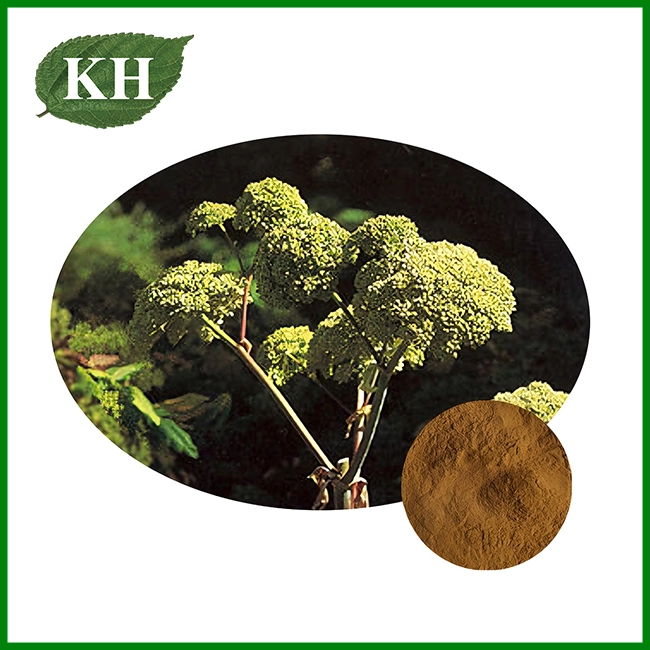
At the cellular level, the division starts. Both have coumarins in them, but the exact coumarin makeup is very different. Angelica Officinalis Extract has furocoumarins in it, like angelicin and imperatorin, which make it photosensitizing. This is something to think about for cosmetics that will be used during the day. This formulation problem has now been solved by good providers offering furocoumarin-reduced forms made just for leave-on skin care uses. The way of extraction affects the end chemical profile. When we remove ingredients, we only use pure water or food-grade ethanol. We don't use harsh chemical agents that leave behind residues or lower the quality of the ingredients. When you use this clean extraction method, you get a fine yellowish-brown powder that dissolves quickly in formulation media and keeps its color throughout the shelf life of the product. Not having any leftover solvents makes following the rules easier, especially for export markets with strict limits on solvent waste. Angelica Sinensis extract focuses on various marker chemicals, mainly phthalides, that have effects on blood flow and vascular smooth muscle. These chemical differences have a direct effect on the products that are used. For example, Angelica Officinalis Extract is great for making soothing and antioxidant creams, while Angelica Sinensis is better for making vitamins that help with hormones and blood flow.
Safety Considerations and Regulatory Compliance
The risk estimate for these plants is different. Because it contains furanocoumarin, which can make some people photosensitive, Angelica Officinalis Extract needs to be handled with extra care. For oral supplements, product labels should include the right sun protection advice, and cosmetic formulas should be tested for phototoxicity according to OECD standards. The extract shouldn't be used during pregnancy and should be used carefully with blood thinners. It's also important to talk to a doctor before surgery. Our detailed quality paperwork helps global markets follow the rules for legal compliance. Each batch comes with an analysis report that says it meets the heavy metal levels set by USP and EP standards, which are Lead below 3.0ppm, Arsenic below 1.0ppm, Cadmium below 1.0ppm, and Mercury below 0.1ppm. Pesticide residue testing makes sure that strict European Union laws (EC 396/2005) and EPA standards are met. This lowers the risk of pollution that comes with root crops that store soil pollutants. Microbiological standards say that the Total Plate Count must be less than 1000cfu/g, Yeast and Mold must be less than 100cfu/g, and there must be no harmful bacteria like Salmonella and E. Coli.
Why Choose Angelica Officinalis Extract for Your Product Line?
Market Demand and Consumer Trends
At the moment, the market favors plant ingredients that have been shown to have antioxidant properties, are extracted in a clean way, and have clear supply lines. Consumer choice study shows that there is a rising demand for European plants that have been used traditionally, especially in North America and Western Europe, where Angelica archangelica is well known in culture. The natural products market is growing very quickly, as clean beauty brands look for natural antioxidants and stabilizers to use instead of manufactured ones. More and more, regulatory environments reward ingredients that have safety ratings and detailed technical documents that have been recorded. The Angelica Officinalis Extract we sell can be tracked all the way from the partners who grow the plants to the people who package them. This meets the requirements for supply chain openness set by new laws. Our ISO9001, FSSC22000, KOSHER, HALAL, HACCP, and FDA approval are all proof of our dedication to quality systems that lower the risk of Angelica Root Extract inyour purchases and make it easier for you to follow the rules.
Quality Indicators and Supplier Evaluation
To find trusted ingredient partners, you need to look at quality marks that go beyond basic requirements. Advanced buyers carefully look at extraction technology and look for providers who don't use harmful solvents and maintain stability from batch to batch. For ingredients that are going to be used in drinks or goods that are going to be pasteurized, thermal stability is very important. Our process keeps the volatile terpene integrity even after short contact to heat. Controlling hygroscopicity is important for working with powders and making sure they behave properly in formulations. The right processes and packing stop powders from absorbing water, which can damage their flow properties and make microbes less stable. The ability of a supplier to provide expert help is what sets commodity deals apart from strategic partnerships. Our application laboratory helps with stable testing, recipe optimization, and compounding for a wide range of delivery systems, such as drinks, gummies, pills, capsules, and skincare materials. This expert relationship cuts down on formulation mistakes that waste time and money and slow down your product's entry into the market. Formulators can find the best balance between cost-effectiveness and strength goals since both 4:1 and 10:1 ratio extract specs are available. When high doses are realistic, lower ratio extracts are more cost-effective. On the other hand, concentrated specs make it possible for capsules and tablets, which don't have a lot of room, to give effective doses within acceptable daily intake amounts.
Practical Guide to Procurement and Usage of Angelica Officinalis Extract
Commercial Terms and Order Flexibility
Knowing the minimum order requirements and how prices work helps you make accurate budget plans and keep track of your goods. For commercial orders, the minimum weight is usually 25 kg, which fits our normal drum packaging. This saves money on shipping and keeps our goods fresh. We understand that smaller amounts are needed for quality control and product development, so we can handle sample requests and small kilogram trial orders. This makes it easier to try ingredients and formulations. Different levels of urgency and price constraints can be met with different transportation choices. Within three to five business days, courier services send samples and small amounts, which helps with quick product development processes. For modest amounts, air freight is the best mix of speed and cost. Ocean shipping, on the other hand, is the most cost-effective way to handle large orders for restocking or building up a large inventory. Our ready stock of core specs cuts down on long wait times that mess up production plans. This gives just-in-time manufacturing operations procurement security.
Formulation Considerations and Dosage Guidance
To incorporate into finished goods, you need to know about solubility properties and compatibility issues. The types that dissolve easily in water are good for healthy drinks and water-based systems because they dissolve quickly without cloudiness or sedimentation. Specifications that dissolve in ethanol are used in cosmetics, medicines, and extracts that use alcohol-water solvent mixes. This range of solubility options lets formulators pick the grade that works best with their processing tools and the style they want to make the product in. Dosage suggestions are based on both historical use trends and new research. For dietary supplements, they are usually between 200 and 500 mg per day, but this can change depending on the concentration of the extract and the desired benefits. Concentrations used in cosmetics range from 0.5 to 5%, based on the type of product and the claims made about it. Our expert team gives you advice on how to optimize the amount based on your formulation goals and the rules in the regulatory area. Data from stabilityAngelica Officinalis Extracttests backs up claims about a product's shelf life and the best way to store it. The extract is very stable in properly designed media; it stays effective for the normal shelf life of a product as long as it is kept away from too much heat, light, and moisture. Testing for compatibility with common fillers, preservatives, and active ingredients stops formulation failures and makes sures processes efficiency when going from lab production to commercial production.
Angelica Officinalis vs Other Herbal Extracts: A Rational Procurement Choice
Comparative Positioning Against Popular Botanicals
To choose the right strategic ingredients, you need to look at your options and know how your competitors are positioning themselves. Compared to commonly used plants like ginseng and ginger, Angelica Officinalis Extract presents unique chances to stand out. While ginseng extracts are the leaders in energy and adaptogens, and turmeric is the leader in inflammation and joint health, Angelica Officinalis is in a less busy area and can help with antioxidant defense, digestive health, and skin health. With this placement edge, brands can come up with unique formulas that make them stand out in markets that are already full. Cost-benefit analysis is more than just comparing prices per kilogram. A good way to buy ingredients is to look at their bioactivity per unit cost, how well they work with other ingredients, how clear the regulatory route is, and how valuable they are in the market. Angelica Officinalis Extract isn't as expensive as some other premium botanicals, like rhodiola or cordyceps. This makes it a good choice for formulations while still keeping its premium standing thanks to its European origin and long history of use. The extract's ability to do more than one thing makes single-ingredient tactics possible. These make formulations easier and lower the total cost of ingredients compared to complicated botanical mixes that try to achieve the same results.
Customization and Private Label Capabilities
In addition to providing basic ingredients, key providers also provide services that add value, such as custom extraction ratios, unique blends, and manufacturing of finished products. We can also make special compound formulations with specific functional goals. For example, we can mix Angelica Officinalis Extract with complementary plants like chamomile to make it more relaxing or with vitamin C to make it a better antioxidant. This combined service speeds up the development of your product while keeping it easy to get ingredients by letting you work with a single source. Having access to detailed component spectra through HPLC analysis makes it possible to precisely control formulations and helps with the creation of intellectual property around certain phytochemical profiles. This analytical skill sets professional-grade sellers apart from commodity traders. It gives them the technical basis for making claims about their products that are different and putting themselves in a market position that they can defend.
Conclusion
Before choosing between Angelica Officinalis Extract and Angelica Sinensis Extract, you need to know about their different plant profiles, phytochemical compositions, and intended uses. The herb Angelica Officinalis has a lot of different uses in both cosmetics and supplements. It helps with digestion, soothes the skin, and protects against free radicals. It has a long history of use in Europe. Quality markers, such as extraction methods, analytical documents, seller certifications, and expert support skills, are important for successful procurement. As the market for "clean-label" botanical ingredients with clear tracking grows, properly sourced extracts become strategic assets that help products stand out and follow the rules. Brands can be sure that they are using these valuable botanicals in new ways that meet changing customer needs and government regulations if they work with experienced providers that offer full quality systems and application knowledge.
FAQ
1. What makes Angelica Officinalis Extract different from Angelica Sinensis for product development?
The main difference is in the phytochemical makeup and how they have been traditionally used. Angelica Officinalis Extract, which comes from Angelica archangelica, has certain coumarins and volatile oils that help with skin health, gut health, and antioxidant activity. Its European plant history fits in with the tastes and rules of the Western market. Angelica Sinensis is a Traditional Chinese Medicine herb that is mostly used in women's health products because it helps with blood flow and hormone balance. The right choice depends on what you're using it for. Angelica Officinalis is best for skin care and antioxidants, while Angelica Sinensis is best for reproductive health vitamins.
2. How should quality-conscious buyers evaluate potential suppliers?
A thorough quality review looks at more than just the basic requirements. Ask for full analytical records that include HPLC chromatograms that show the amounts of active ingredients, heavy metal testing using ICP-MS, pesticide residue screening that includes all important chemical classes, and microbiological certificates that show there are no pathogens. Check out the extraction method and look for sellers who use clean solvents and stay away from harsh chemical processes. Look into methods that can track materials from where they come from in plants to where they end up being packaged. Check the facility's ISO9001, FSSC22000, and Good Manufacturing Practice safety certificates. Check out the technical support and application lab tools that can help with creation, in addition to just providing ingredients.
3. What safety considerations affect formulation and labeling decisions?
Because furanocoumarin is in it, photosensitivity is the most important safety concern. Products with Angelica Officinalis Extract should have sun safety warnings on them, especially for vitamins that are taken by mouth during the day. Standard procedures must be used to test the phototoxicity of cosmetic formulas. Leave-on applications can use furocoumarin-reduced forms. Some things that make it not a good idea are pregnancy, taking blood thinners at the same time, and right before surgery. These safety tips should be written on the right way to name products, and companies should keep records of the risk estimates they use to back up their safety claims. Regulatory advice for your target markets makes sure that you follow local rules about botanical ingredient labels and when they shouldn't be used.
Partner with KH for Premium Angelica Officinalis Extract Supply
Kingherbs Limited has almost 30 years of experience working with plant ingredients and can help you meet your goals for product innovation and quality. As a well-known company that makes Angelica Officinalis Extract and keeps stock on hand for quick shipping, we get rid of the supply chain risks that throw off production plans. End-to-end tracking from approved cultivation partners, clean extraction using only water or food-grade ethanol, and full certifications that cover ISO9001, FSSC22000, KOSHER, HALAL, and HACCP standards are some of the things that set us apart from our competitors. No matter what your needs are—sample amounts for initial testing or business volumes to support full-scale production—our flexible MOQ policies can meet them. Our application laboratory helps with technical formulations by doing things like stability testing and custom compounding. This makes us more of a strategic ingredient partner for you than just a seller of basic ingredients. Email our team at info@kingherbs.com to get the price, analytical data, and full specs for Angelica Officinalis Extract that are specific to your formulation needs.
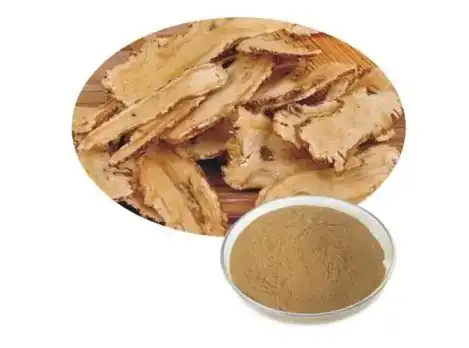
References
1. Sigurdsson S., Ogmundsdottir H.M., Gudbjarnason S. (2004). "Antiproliferative Effect of Angelica archangelica Extracts on Cancer Cell Lines." Journal of Ethnopharmacology, 94(2-3), 231-235.
2. Nivinskiene O., Butkiene R., Mockute D. (2005). "Chemical Composition of Essential Oil of Angelica archangelica L. Roots Growing Wild in Lithuania." Journal of Essential Oil Research, 17(4), 373-377.
3. Zhao K.J., Dong T.T., Tu P.F., Song Z.H., Lo C.K., Tsim K.W. (2003). "Molecular Genetic and Chemical Assessment of Radix Angelica (Danggui) in China." Journal of Agricultural and Food Chemistry, 51(9), 2576-2583.
4. Hook I.L. (2014). "Danggui to Angelica sinensis Root: Are Potential Benefits to European Women Lost in Translation?" Journal of Ethnopharmacology, 152(1), 1-13.
5. European Medicines Agency (2014). "Assessment Report on Angelica archangelica L., radix." Committee on Herbal Medicinal Products (HMPC), EMA/HMPC/612377/2013.
6. Sarker S.D., Nahar L. (2004). "Natural Medicine: The Genus Angelica." Current Medicinal Chemistry, 11(11), 1479-1500.
Send Inquiry

Related Industry Knowledge
- Wild Yam Extract Powder: Top Uses in Nutritional Products
- Bacopa Monnieri Extract Powder for Focus and Productivity
- Is Apple Root Extract Safe for Daily Use?
- What Are the Key Benefits of Couch Grass Rhizome Extract?
- What Makes Couch Grass Rhizome Extract Unique?
- Why Add Watermelon Powder to Functional Beverages?
- Can Watermelon Powder Support Nitric Oxide Production?
- Valerian Root Extract Powder Benefits: A Science-Backed Guide
- Can Mulberry Leaf Extract Powder Help Reduce Carb Absorption?
- Mulberry Leaf Extract Powder: A Key Ingredient in Metabolic Health