_1762508637542.webp)
How to Choose the Best Mangosteen Extract Powder Supplier
Oct 4, 2026
Choosing the right mangosteen extract powder supplier directly affects your product quality, regulatory standing, and production continuity. A qualified supplier should provide verified α-mangostin and polyphenol content backed by HPLC batch reports, hold certifications such as ISO9001, FSSC22000, HACCP, KOSHER, HALAL, and FDA registration, and offer clean extraction using water or edible ethanol. Whether you source mangosteen extract powder for dietary supplements, cosmetics, or functional food applications, a supplier's traceability, customization capability, and responsiveness determine how well they can support your formulation goals and business growth.
Defining Your Procurement Needs and Decision Scenarios
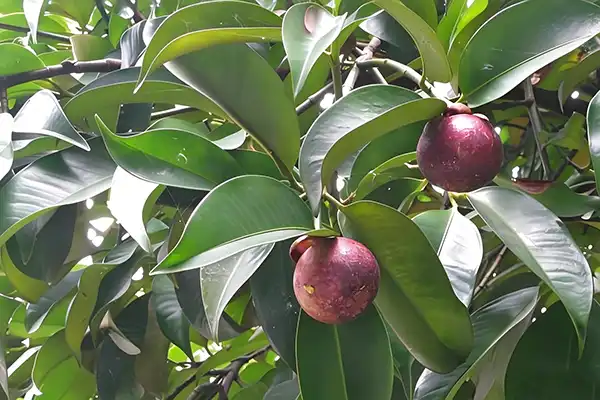
Before you call any suppliers of mangosteen extract powder, you need to be clear on what your recipe actually needs. The fruit and husk of the Garcinia mangostana L. plant have different active profiles depending on how they are extracted and how much of each is used. This means that the choices you make about specifications will have real effects in the future.
Identify Your Application First
Mangosteen extract powder is found in a lot of different types of products, such as anti-ageing serums, functional drinks, joint health tablets, and supplements for animals' health. Specifications need to be different for each use case. A beauty serum might need a lot of α-mangostin (30% to 90% by HPLC), but a functional drink might do fine with a grade that is standardized for polyphenols (10% to 50% by UV). Sample time is not lost if you know what you will use the product for before you hire a seller.
Define Volume and Timeline Requirements
The people in charge of buying things should check to see if they need a test batch or an order on a large scale. Many professional suppliers, including those that work with U.S. supplement brands, accept small-kilogram test orders before requiring a commercial minimum of 25 kg per drum. Match your shipping window with when the seller has stock. Ready-stock items can be sent out in three to five business days, which is important if your output schedule is set.
Set Quality and Certification Benchmarks
Please compile a list of the necessary certifications at your earliest convenience. To sell in the U.S., a facility must be registered with the FDA. If the stores you sell to are kosher or halal-certified, the mangosteen extract powder ingredient you use must also be certified in the same way. Before sending out an RFQ, write down these requirements on a specification sheet.
Establishing Core Supplier Evaluation Metrics
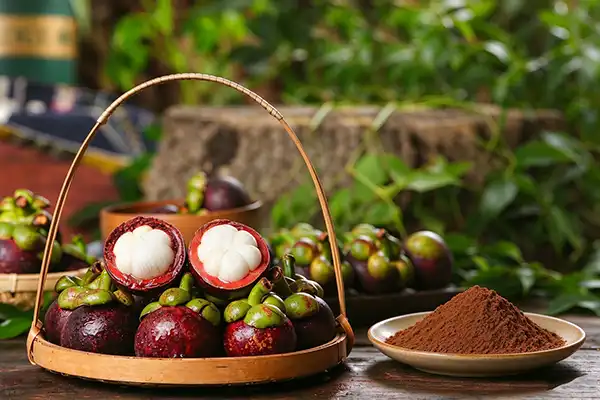
Once you know what you need, you can use objective factors to compare sellers. The most important things for you to look at are the quality documents, testing procedures, and production infrastructure.
Demand Batch-Level Testing Documentation
A reliable company that makes mangosteen extract powder gives a Certificate of Analysis (COA) for each batch that lists the amount of α-mangostin, total polyphenols, moisture, heavy metals, and microbes that are allowed. The best way to measure xanthones like α-mangostin is with HPLC. Polyphenol screening is supported by UV tests. No matter how much they charge, suppliers who can't provide batch-specific HPLC chromatograms are a procurement risk.
Verify Certifications and Regulatory Standing
Certifications show that a supplier has quality systems that have been checked. You should look for at least ISO9001, FSSC22000, HACCP, KOSHER, HALAL, and FDA approval for mangosteen extract that is sold in the U.S. nutritional and personal care markets. When it comes to pharmaceutical-grade uses, suppliers whose goods meet USP and EP label standards add an extra layer of confidence. A third party has checked these certifications, which anyone can see.
Assess Extraction Method and Traceability
Both the safety of the product and the claims on the label depend on the extraction solvent. Responsible sellers only use clean water or ethanol that is safe for food to remove the xanthones, not harsh industrial solvents that leave behind waste or change the natural xanthone profile. You can follow the quality of the powder all the way from the growing base to the harvest, extraction, and packing. This indicates that the supplier controls quality at the source, not just at the powder stage.
Comparing Mangosteen Extract Powder Suppliers: Key Differentiators
There is a lot of competition in the market for Garcinia mangostana extract, and sellers offer a wide range of technical knowledge, product specifications, and customer service levels. A price-only analysis will show that your method is inconsistent.
Specification Range and Customization
A good company that sells mangosteen extract powder has different grades, such as ratio extracts (4:1, 10:1), polyphenol-standardised grades (10%–50%), and high-purity α-mangostin concentrates (up to 90%). R&D teams have more options when it comes to formulating, as suppliers can change the xanthone ratio or mix mangosteen extract with other botanical actives that work well together. This is especially important for companies that are making unique supplement or skincare SKUs.
Technical Support and Application Expertise
The best providers do more than just provide raw materials; they also act as professional partners. Application support, such as formulation advice, stability testing, and compatibility assessments for emulsions, gummies, tablets, drinks, or gummies, cuts down on the time it takes to make new products and the cost of reformulating old ones. If you are looking for a supplier, ask them directly whether they have an in-house application centre and whether your team can use that help.
Reputation, Certifications, and Customer References
In the botanical ingredient business, it's important that suppliers have been around for a long time. A company that has been in business since 1996 and has experience with hundreds of plant products is at a lower risk than a company that has only been in business for a short time. Certifications like FSSC22000 and HACCP show that food safety management is advanced, and KOSHER and HALAL badges let you sell your products in more places. To back up claims, ask for references from clients in the same industry as you.
Procurement Process Best Practices for B2B Buyers
A structured procurement sequence protects quality results and makes sure that everyone in the supplier relationship knows what is expected of them.
Issue a Detailed RFQ with Specifications
In your Request for Quotation, you should list the botanical source (Garcinia mangostana L.), the plant part (fruit/husk), the target specification (for example, α-mangostin 30% by HPLC), the certifications you need, the packing format (25 kg/drum), and the delivery terms. A detailed RFQ gets rid of suppliers who can't meet your actual formulation needs and accelerates the process for those who can.
Evaluate Samples Before Committing to Volume
Ask for an actual sample along with the COA and HPLC results that go with it. Perform your own in-house or third-party analysis to confirm the amount of α-mangostin present, its color (fine brownish-yellow to brown powder), its ability to dissolve, and the lack of any impurities. This step is a must for buyers who care about quality when they're looking for botanical actives. Samples from reputable sources are sent out within 3–5 business days.
Negotiate Terms That Protect Your Supply Chain
After the sample has been approved, talk about the terms of the contract, including the minimum order quantity, the wait time, price stability clauses, and the right to check. Usually, the commercial MOQ for mangosteen extract powder is 25 kg. Flexible suppliers can handle phased volume growth as your product becomes more popular. Check to see if you can ship by ocean, air, or courier. The type of shipping affects cost and wait time greatly, based on the size and importance of the order.
Case Studies: Successful Partnerships with Garcinia Mangostana Suppliers
Two buyer situations show how the factors used to choose a seller affect real-world results.
Nutraceutical Brand Scaling Antioxidant SKUs
A medium-sized U.S. supplement company needed to ensure that all of its quarterly shipments of α-mangostin were always 30% pure for an antioxidant capsule line. The brand got rid of the differences between batches that had caused problems in earlier production runs by giving priority to providers with batch-level HPLC paperwork and ISO9001-certified manufacturing. Since there was ready stock and samples could be sent out in 3–5 days, the brand's quality assurance team could check each package before starting full production.
Cosmetic Formulator Targeting Anti-Ageing Claims
An OEM skin care company making an anti-ageing and acne serum needed a mangosteen husk extract that was water-soluble and known to kill microbes. Before finalising the formula, the formulator checked to see if it would work with emulsions and remove ROS by working with a supplier who provided application laboratory support. Being able to obtain both ratio extract (10:1) and high-purity α-mangostin grades in the same seller list made it easier to buy things and cut down on the costs of managing vendors.
Conclusion
There's more to choosing a mangosteen extract powder supplier than just comparing prices. When you buy something based on verified active ingredient content, clean extraction methods, audited certifications, and real technical support, you always end up with better results for your formulation, your supply chain, and your compliance. The steps in this guide will help you make the right choice when looking for Garcinia mangostana extract, whether you want it for supplements, personal care products, or functional foods.
FAQ
What certifications should a mangosteen extract powder supplier hold?
At minimum, look for ISO9001, FSSC22000, HACCP, FDA registration, KOSHER, and HALAL. For pharmaceutical applications, USP/EP compliance is an additional requirement. These certifications confirm audited quality systems and regulatory suitability for U.S. markets.
How is α-mangostin content verified?
HPLC (High-Performance Liquid Chromatography) is the accepted method for quantifying α-mangostin in Garcinia mangostana extract. Batch-specific HPLC chromatograms should accompany every COA. UV testing is acceptable for total polyphenol screening but does not replace HPLC for active compound identification.
What is the typical MOQ for commercial orders?
Most professional suppliers set a commercial MOQ at 25 kg per drum. However, sample orders and small trial quantities are generally available before a commercial commitment, which allows buyers to verify quality before scaling.
What extraction solvents are considered safe?
Purified water and food-grade ethanol are the standard safe solvents for botanical extracts intended for dietary supplements and cosmetics. Avoid suppliers who cannot confirm solvent identity in their extraction documentation.
Can mangosteen extract powder be customised?
Yes. Specifications can range from a 4:1 ratio extract to 90% α-mangostin by HPLC. Polyphenol grades (10%–50%) and combination formulas with specific xanthone ratios are available from technically capable manufacturers.
Partner with KH — Your Trusted Mangosteen Extract Powder Manufacturer
Since 1996, KH (Kingherbs Limited) has sold plant products. Our mangosteen extract powder comes in a range of strengths, from 4:1 ratio extract to 90% α-mangostin. Each batch includes an HPLC report, and we hold ISO9001, FSSC22000, HACCP, KOSHER, HALAL, and FDA approvals. We only use clean water or ethanol that is safe for food for extraction, and our application laboratory helps you with your recipe from the sample level up to the large scale. It takes 3–5 business days to ship ready-to-ship stock. To get a taste right away, email us at info@kingherbs.com or go to www.kingherbs.com.
References
1. Pedraza-Chaverri, J., et al. "Medicinal properties of mangosteen (Garcinia mangostana)." Food and Chemical Toxicology, 2008.
2. Obolskiy, D., et al. "Garcinia mangostana L.: A Phytochemical and Pharmacological Review." Phytotherapy Research, 2009.
3. Chin, Y. W., & Kinghorn, A. D. "Structural characterization, biological effects, and synthetic studies on xanthones of mangosteen." Mini Reviews in Organic Chemistry, 2008.
4. United States Pharmacopoeia (USP). Dietary Supplement Compendium: Botanical Ingredient Standards. USP, 2022.
5. International Organization for Standardisation. ISO 9001:2015 Quality Management Systems — Requirements. ISO, 2015.
6. Food Safety System Certification. FSSC 22000 Version 6: Food Safety Management System Certification Scheme. FSSC, 2023.
Send Inquiry
Related Industry Knowledge
- Is Avocado Refined Oil a Smart Choice for Your Diet?
- What Makes a Trusted Jerusalem Artichoke Extract Factory?
- Can Ivy Extract Powder Relieve Respiratory Congestion Fast?
- Bamboo Leaf Extract vs Bamboo Shoot Extract differences
- Can White Willow Bark Extract Powder Support Natural Pain Relief?
- Ivy Extract Powder: Uses, Benefits, Safety & Quality Guide
- What Makes Couch Grass Rhizome Extract Unique?
- What Is Couch Grass Rhizome Extract Used for in Herbal Health?
- Polygonum Cuspidatum Extract: Antioxidant Protection Explained
- How Mango Leaf Extract Powder Supports Blood Sugar Balance?