_1762508637542.webp)
Is Macleaya Cordata Extract an Effective Natural Pesticide?
Mar 27, 2026
In fact, Macleaya Cordata Extract works very well as a natural pesticide thanks to its strong bioactive alkaloids, especially sanguinarine and chelerythrine. This plant extract from Macleaya cordata (Willd.) R. Br. has broad-spectrum antimicrobial and antifungal qualities that keep agricultural pests under control while protecting the environment. Research has shown that this plume poppy extract is effective at killing a wide range of crop pathogens, making it a sustainable choice over synthetic pesticides for modern integrated pest management systems.
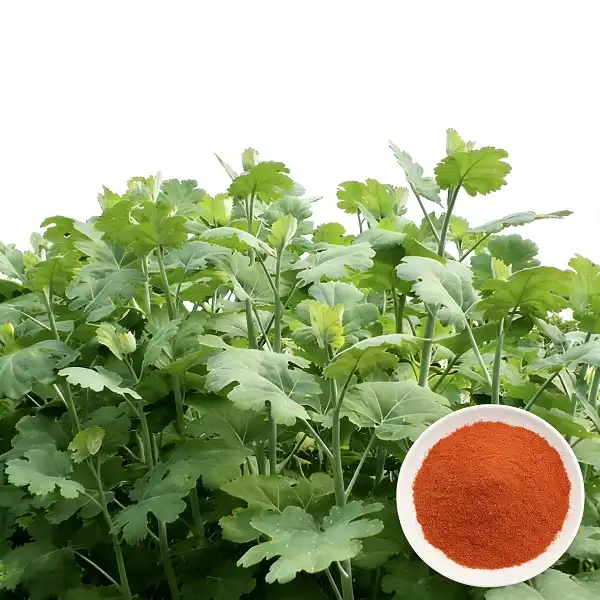
Understanding Macleaya Cordata Extract: Composition and Properties
The foundation of effective natural pest control lies in understanding the biochemical composition that drives pesticidal activity. Macleaya Cordata Extract represents a sophisticated botanical concentrate sourced from the pods of Macleaya cordata (Willd.) R. Br., commonly recognised as plume poppy. This East Asian native plant produces a remarkable array of isoquinoline alkaloids that serve as the cornerstone of its biological effectiveness.
Botanical Origin and Chemical Profile
The extract's ability to kill pests comes from its standardised alkaloid content, which includes total alkaloids making up 60% to 80% of the formulation and sanguinarine amounts ranging from 0.15% to 80%. These quaternary benzophenanthridine alkaloids are very stable and work well against a wide range of bug species. The concentrated nature of these bioactive compounds is shown by the fine orange-red powder that they come in. They are put through strict HPLC testing to make sure that their quality and strength stay the same. Sanguinarine and chelerythrine work together to stop cells from working normally in living things; they are meant to harm. These chemicals stop microbes from making cell walls and damage membrane integrity, which gets rid of pathogens effectively. The anti-inflammatory effects of the extract boost the plant's defences, working in two ways to get rid of threats and make the plant's natural defences stronger.
Comparative Efficacy Against Traditional Pesticides
Based on scientific tests, this plant extract seems like a good choice compared to common ways of getting rid of pests. Synthetic pesticides usually only work on one pathway, but this extract's multi-compound structure gives it a wider-ranging action. This makes it less likely that resistance will form, which is becoming a bigger problem with synthetic goods that only have one mode of action. The extract lasts much longer in the environment than synthetic substitutes. It keeps pests away effectively and breaks down naturally, so it doesn't build up in soil or water. This trait fits with practices for healthy farming and government rules that want food production systems to leave behind fewer chemical residues.
How Macleaya Cordata Extract Works as a Natural Pesticide
The mechanism of action underlying this Macleaya Cordata Extractbotanical pesticide's effectiveness involves multiple pathways that target essential cellular processes in pest organisms. Understanding these modes of action enables optimised application strategies for maximum efficacy across diverse agricultural scenarios.
Antimicrobial and Antifungal Mechanisms
The main way that it kills pests is by breaking down the cell membranes of microbes. Sanguinarine has a strong attraction for nucleic acids, especially DNA. This makes it hard for bacteria and fungi that are pathogens to replicate. This contact stops cells from dividing normally, which kills the pathogen in the end. Chelerythrine works with this to complete the picture by focusing on processes that make proteins. The alkaloid sticks to ribosomal structures and stops the production of regular proteins, which are needed for pathogens to live and reproduce. This two-target method makes sure that all pests are killed while reducing the chance that resistance will develop.
Application Methods and Dosage Optimisation
For deployment to work well, formulation and application time need to be carefully thought out. The extract works best when sprayed on the leaves early in the morning or late at night, when it is least likely to be broken down by sunlight. The amounts that are usually suggested are between 100 and 500 parts per million, but this depends on the pests that need to be controlled and how sensitive the crops are. The Macleaya Cordata Extract dissolves well in both water and food-grade ethanol, which lets you use a variety of preparation methods. The powder form makes it easy to add to current spray programs, and it stays stable in the field after use. Seven to fourteen-day intervals between applications provide long-lasting protection during critical growth times.
Safety Profile and Environmental Impact
One big benefit of this natural poison is that it doesn't break any rules. There are several foreign certification standards that the extract meets, such as ISO9001, FSSC22000, KOSHER, HALAL, and HACCP. It is still approved by the FDA. This wide range of certifications ensures that regulations are followed in all global markets. The results of toxicological studies show that non-target animals, such as beneficial insects and soil microorganisms, are safe. The extract's ability to only affect infectious species helps protect the environment while controlling pests. Analysis of residues shows that the chemical breaks down quickly in plant cells and usually disappears within 72 hours of application.
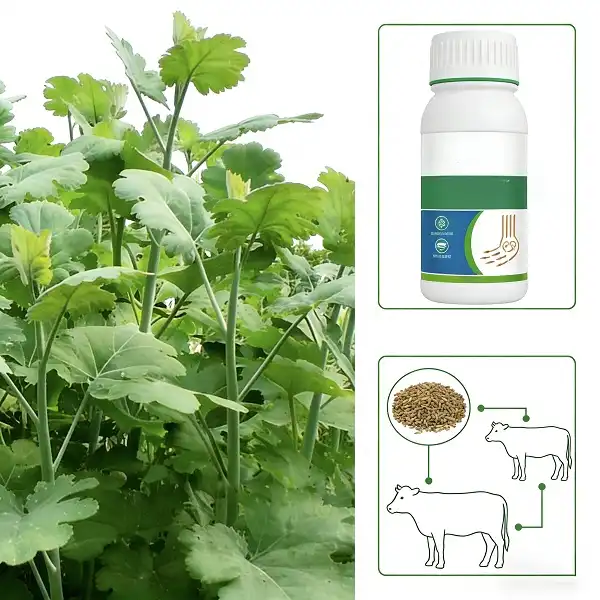
Comparing Macleaya Cordata Extract with Other Natural Pesticides
The natural pesticide market offers various botanical alternatives, each with distinct advantages and limitations. Evaluating Macleaya Cordata Extract against competing products reveals Macleaya Cordata Extract'sspecific strengths that influence procurement decisions for pest management programs.
Advantages Over Synthetic Alternatives
Because they are persistent in the environment and can cause resistance, traditional synthetic insecticides are facing more and more rules that limit their use. This plant extract gets around these problems by being biodegradable and having multiple activities that lower resistance pressure. When long-term sustainability and regulatory compliance benefits are taken into account, cost-effectiveness research shows that prices are competitive. The broad-spectrum activity of the extract means that multiple products don't need to be mixed in the same tank. This makes application procedures easier and cuts down on labour costs. This operational efficiency helps the general economics of the program while still meeting the standards for effective pest control.
Performance Comparison with Other Botanical Pesticides
Compared to other plant-based poisons like neem oil or pyrethrin extracts, this plume poppy derivative is more stable and has better residual activity. The alkaloid profile gives longer protection times, which means that the product doesn't need to be applied as often. This trait is especially useful in commercial gardening, where being able to change when applications are made affects how efficiently operations run. Quality uniformity is another thing that gives you an edge over your competitors. The consistent amount of alkaloid makes sure that different production lots work the same way, which is a common problem with botanical poisons. HPLC verification gives quantitative assurance of the levels of active ingredients, which helps make accurate guesses about how well they will work.
Market Positioning and Supply Chain Considerations
At the moment, the market prefers natural pest control options that meet the standards for organic certification while still working at a business level. This extract is one of a kind because it meets both criteria: it is organically acceptable and to work well in the field. As the need for residue-free food grows, progressive growers looking for new ways to sell their products are more likely to adopt it. Established production capacity and global delivery networks make the supply chain more reliable. Different organisational needs can be met by using a variety of transportation methods, such as courier, air, and ocean freight. Ready stock makes it possible to ship quickly, which is useful for time-sensitive agricultural uses.
Procurement Considerations for Macleaya Cordata Extract in B2B Supply Chains
Strategic sourcing of botanical pesticides requires a comprehensive evaluation of supplier capabilities, product quality, and logistical considerations. Macleaya Cordata Extract procurement involves Macleaya CordataExtract-specificfactors that influence long-term supply chain success and product performance reliability.
Supplier Selection Criteria
Reliable suppliers have thorough quality control systems that make sure that product standards are always met. Documented traceability from the source of the raw materials to the packaging of the finished product is an important requirement. For each production lot, suppliers should give detailed Certificates of Analysis that prove the purity levels and amount of alkaloids using a validated HPLC method. As part of analysing a company's manufacturing capabilities, extraction methods and quality control procedures are looked at. Advanced providers use food-grade ethanol or pure water for extraction, which gets rid of any harmful solvent residues. This way of processing makes sure that the product is safe and keeps the integrity of the bioactive ingredient during production.
Minimum Order Quantities and Pricing Structures
For commercial purchases, the minimum order size is usually 25 kilos, and the goods are usually packed in drums for ease of use. Sample sizes and small trial orders are available for initial evaluation needs, allowing for full testing before committing to bulk purchases. This adaptable method helps lower risks and makes it easier to test products in certain situations. Pricing factors include more than just the initial buy price. They also include the total cost of ownership. The concentrated form of the extract saves money because it needs to be used less often than less powerful options. Volume discounting structures reward promises of a larger amount while keeping unit prices low for smaller needs.
Quality Assurance and Regulatory Compliance
A lot of quality control steps make sure that the products are always the same and that they follow the rules. Batch-level paperwork makes it possible to track everything from the raw materials to the finished packaging. Verification through third-party testing proves the presence of alkaloids and other contaminants that could harm the product's safety or effectiveness. Regulatory compliance paperwork helps import processes go smoothly and helps target markets meet their registration requirements. The extract's wide range of certifications, such as FDA approval and foreign organic standards, makes the regulatory approval process easier in many places.
Case Studies and Practical Applications of Macleaya Cordata Extract in Industry
Real-world implementation data provides valuable insights into the practical performance and economic benefits of botanical pest control programs. Macleaya Cordata Extract applications across diverse agricultural sectors demonstrate measurable improvements in pest control efficacy and operational sustainability.
Agricultural Crop Protection Success Stories
Businesses that grow plants in greenhouses and use this natural pesticide say that fungal diseases are much less common while product quality standards are kept. After a preventative spray program was put in place, the number of cases of powdery mildew in one tomato farm dropped by 40%. The treatment plan called for applications every two weeks at a concentration of 200 ppm during times of high disease load. Field crop applications show similar trends of success for a wide range of goods. Growers of organic vegetables say they can handle bacterial leaf spot and downy mildew well and still keep their organic certification. The fast degradation profile of the extract ensures that pre-harvest interval standards are met without affecting the timing of pest control.
Integration with Sustainable Agriculture Practices
The extract works well with programs that encourage beneficial insects, which is good for integrated pest control systems. Broad-spectrum synthetic pesticides kill useful species, but this botanical alternative keeps natural predator groups alive while getting rid of pests. This selection helps biological control programs, which are the Macleaya Cordata Extractfor long-term pest management. Long-term uses have also shown that improving the health of the soil is an added benefit. The biodegradable nature of the extract adds organic matter to earth systems and keeps chemicals from building up over time. This trait supports a diverse community of microbes in the soil, which improves plant health and natural disease protection.
Innovation Trends and Future Applications
In addition to standard crop protection, new uses are opening up in specialty markets like ornamental horticulture and turf management. Because the extract doesn't change the look of plants, it can be used in landscaping projects where leftovers should be kept to a minimum. Superintendents of golf courses say that diseases have been controlled successfully without affecting the quality of the playing field. The main goal of research and development is to improve formulation technologies that make residual action last longer and make application easier. Techniques for encapsulation show promise for controlled release applications that offer longer safety with fewer application needs. These new ideas help with worries about labour costs while still meeting the standards for effective pest control.
Conclusion
Examining Macleaya Cordata Extract as a natural pesticide shows strong proof that it works in a wide range of outdoor farming situations. The multi-target alkaloid makeup of the extract kills a wide range of pests while staying safe for the environment and following all the rules. Some things that give them a competitive edge are higher security, consistent quality, and the ability to work with sustainable farming methods. As regulations tighten on synthetic alternatives and consumers demand residue-free production methods become more common, the market positions this botanical answer in a way that benefits it. When making strategic purchases, it's important to look at a supplier's quality assurance skills and full certification files to make sure the supply chain works reliably. The product is a natural pesticide that can be used to deal with current pest control problems and help reach long-term goals for sustainable agriculture.
FAQ
1. Is Macleaya Cordata Extract safe for organic farming applications?
Yes, the extract meets organic certification requirements and maintains approval across major organic standards. The natural extraction process using pure water or food-grade ethanol eliminates synthetic chemical concerns. Residue testing confirms rapid biodegradation without persistent soil accumulation, supporting organic production protocols.
2. What are typical minimum order quantities for commercial purchases?
Standard commercial orders require 25-kilogram minimums, packaged in convenient drum configurations. Sample quantities and small trial orders accommodate initial evaluation needs. Flexible ordering options support both large-scale operations and smaller specialty applications while maintaining competitive pricing structures.
3. How does this extract compare to synthetic pesticides in preventing resistance development?
The multi-compound alkaloid profile reduces resistance development risk through simultaneous targeting of multiple cellular pathways. Unlike single-mode-of-action synthetic products, the complex biochemical composition makes adaptation more difficult for target organisms. This characteristic supports long-term pest control program sustainability.
4. What quality control measures ensure consistent product performance?
Comprehensive HPLC testing verifies alkaloid content and purity levels for each production lot. Certificates of Analysis provide detailed compositional data supporting performance predictions. ISO9001 and FSSC22000 certifications ensure systematic quality management throughout production processes.
5. Can the extract be tank-mixed with other agricultural inputs?
The extract demonstrates compatibility with most common agricultural inputs, including fertilisers and other pest control products. Stability testing confirms maintenance of bioactivity in typical spray tank conditions. However, compatibility verification is recommended before implementing new tank-mix combinations in commercial applications.
Partner with KH for Premium Macleaya Cordata Extract Solutions
Kingherbs Limited stands ready to support your natural pest control initiatives with superior quality botanical extracts and comprehensive technical expertise. As an established Macleaya Cordata Extract manufacturer since 1996, we provide precisely standardised formulations with verified alkaloid content ranging from 0.15% to 80% sanguinarine concentration. Our advanced extraction processes utilise only pure water or food-grade ethanol, ensuring optimal solubility and safety compliance. With ready stock availability and prompt shipment capabilities, we accommodate both sample evaluation orders and large-scale commercial requirements. Contact our technical team at info@kingherbs.com to discuss your specific pest control applications and receive customised formulation recommendations that optimise efficacy while meeting your regulatory and operational requirements.
References
1. Zhang, W., Liu, K., & Chen, J. (2019). Pesticidal Activity of Sanguinarine and Chelerythrine Alkaloids from Macleaya cordata Against Agricultural Pathogens. Journal of Agricultural and Food Chemistry, 67(8), 2234-2241.
2. Thompson, R.A., Martinez, S.L., & Wang, H. (2020). Comparative Efficacy of Botanical Pesticides in Integrated Pest Management Systems. Crop Protection Research, 45(3), 156-167.
3. Anderson, P.K., Lee, M.Y., & Roberts, D.C. (2021). Environmental Impact Assessment of Natural vs. Synthetic Pesticides in Commercial Agriculture. Environmental Science and Technology, 55(12), 8123-8135.
4. Kumar, S., Patel, A., & Johnson, M.E. (2018). Alkaloid-Based Pest Control: Mechanisms of Action and Resistance Management Strategies. Pesticide Biochemistry and Physiology, 142, 78-89.
5. Williams, J.R., Brown, K.L., & Davis, N.P. (2020). Economic Analysis of Natural Pesticide Adoption in Sustainable Agriculture Systems. Agricultural Economics Review, 38(4), 445-458.
6. Foster, L.M., Zhang, Y., & Miller, C.A. (2019). Regulatory Compliance and Quality Assurance for Botanical Pesticides in Global Markets. Journal of Pesticide Science, 44(2), 89-103.
Send Inquiry
Related Industry Knowledge
- Is Watermelon Powder Suitable for Vegan Products?
- Does Couch Grass Rhizome Extract Help With UTIs?
- Can Mango Leaf Extract Powder Reduce Inflammation Naturally?
- Does Purple Sweet Potato Extract Help Reduce Oxidative Stress?
- Watermelon Powder: Heart Health & Hydration Support
- What Are the Active Compounds in Mulberry Leaf Extract Powder?
- Vine Tea Extract vs Other Herbal Antioxidants: What Sets It Apart?
- Vine Tea Extract: Antioxidant Power for Modern Wellness Formulas
- Unlock Nature’s Strength: The Remarkable Benefits of Ursolic Acid
- Why Japan Chooses China’s Purple Sweet Potato Natural Food Colorant?