_1762508637542.webp)
Rose Hip Extract Powder: What It Is, Benefits, Dosage, and Sources
May 22, 2026
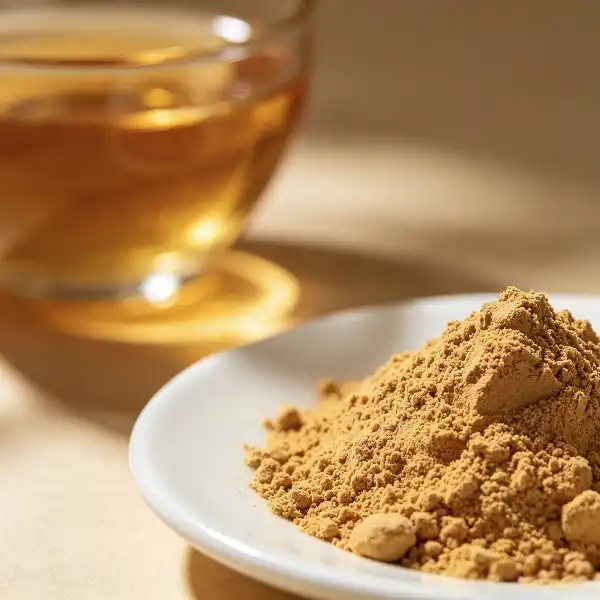
Rose Hip Extract Powder is a concentrated plant ingredient that has a lot of medicinal substances, antioxidants, and Vitamin C that are needed in many business settings. The Rosa rugosa Thunb fruit is where most of this fine, yellow-brown powder comes from. Natural ways of extracting it help the face, the immune system, and the health of the joints. Standardized specs, like 4:1 ratio extracts and 70% Vitamin C content, help buyers and people who make products meet the needs of the pharmaceutical, skincare, functional foods, and dietary supplements industries. It is important to know what it is made of, how much of it to use, and where to get it in order to make smart choices that improve product performance, legal compliance, and market competitiveness.
Understanding Rose Hip Extract Powder
Botanical Origin and Extraction Methods
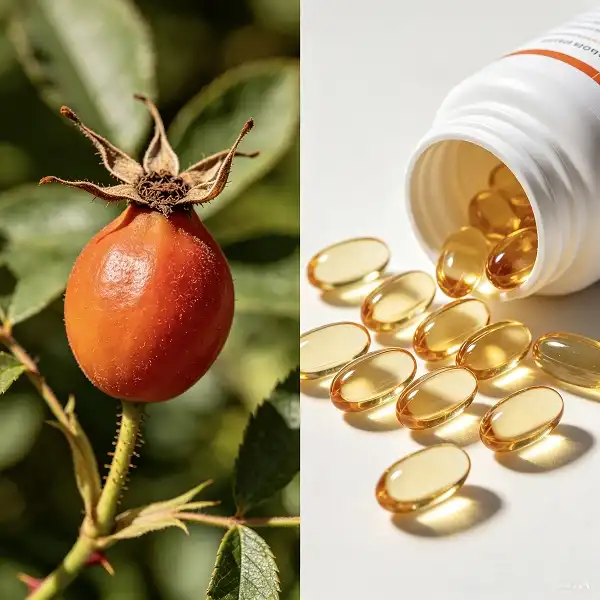
This powder is made from the fruit of the Rosa rugosa Thunb plant. The fruit is picked when it is fully ripe to get the most nutrients from it. These small, round fruits show up after the rose flowers die. When they ripen, they gather chemicals that are good for you. That way, the Vitamin C complexes, bioflavonoids, polyphenols, and galactolipids are kept safe, and only pure water or food-grade ethanol is used in the extraction process. This natural method of separation makes sure that the medicine is more bioavailable than isolates made by humans. It also keeps the unique sour taste and bright yellowish-brown color. Parts that are easily damaged by heat can be kept safe by spray drying or freeze-drying at low temperatures. This makes a fine powder with controlled particle size (95% of the particles pass through an 80-mesh screen), which is best for mixing evenly in manufacturing processes. Because of this careful processing, the food can be kept for up to 24 months if it is kept in a cool, dry place away from light.
Nutritional Composition and Active Constituents
Because it is so healthy, Rose Hip Extract Powder stands out in the market for plant-based products. Vitamin C levels should be between 5% and 70%, which can be found using HPLC or titration. Flavonoid levels should be between 5% and 25%, which can be found using UV spectroscopy. And the right amount of galactolipids should be present for health reasons. Besides Vitamin C, the powder also has carotenoids that protect cells from damage, organic acids that speed up the metabolism, and unsaturated fatty acids that help the body use fats. The complex mix of phytonutrients works together to make results that can't be made with different chemicals. It also helps cells absorb and use things better. To make sure it stays safe while being stored and shipped for a long time, the heavy metal content meets high USP and EP standards. Lead levels are kept below 3.0 mg/kg, and moisture levels are kept below 5%.
Key Benefits of Rose Hip Extract Powder for Health and Industry
Immune System Enhancement and Antioxidant Protection
The natural Vitamin C combination in Rose Hip Extract Powder helps the defense system more than ascorbic acid. Natural Vitamin C complexed with bioflavonoids has been shown to improve the immune system as a whole, make white blood cells work better, and shorten the time of illness in people. The polyphenol and bioflavonoid content keeps cells from getting damaged by free radicals Rose Hip Extract Powderand speeds up the aging process. Together, these phytonutrients are a much better protector than Vitamin C alone because of how well they work. Studies on bioavailability show that the body absorbs natural Vitamin C complexes 30–40% better than man-made ones. In other words, less is better here. Because Vitamin C that comes from food is regulated, it keeps the stomach from getting upset when there is a lot of ascorbic acid. These words mean that people with weak bellies can take it.
Skin Health and Collagen Support
Rose Hip Extract Powder is very useful in cosmetics and cosmeceuticals because it helps support collagen. Natural Vitamin C is a key part of the process of making collagen. As you age, your skin gets stiffer, but it heals cuts and keeps you young. Plus, the flavonoids in the powder protect even more against UV damage, which makes sunscreens work better. Putting it on your skin makes your face shinier and less dark by stopping tyrosinase, an important enzyme in the production of melanin. For serums and toners, recipes that dissolve in water work best. For creams and lotions, formulas that dissolve in oil work best. When you mix antioxidants, vitamins, and bioactive lipids, they work on more than one route at the same time to fight age. In places with a lot of competition, this makes things stand out. When Rose Hip Extract Powder products are used every day for 12 weeks, they change the texture, wetness, and look of fine lines on the face.
Dosage Guidelines and Usage Recommendations
Standard Dosage Protocols for Different Applications
This is because dosage ideas that work depend on the use and health goal. To boost the immune system, most formulas contain 500 to 1000 mg of Rose Hip Extract Powder every day. This powder is guaranteed to contain 100 to 200 mg of natural Vitamin C complex. More is needed to help with joint health. It has been shown in clinical tests that taking 5,000 to 10,000 mg of standardized galactolipid-containing extracts every day works best. This amount is usually split into two doses so that it is better taken. 500 to 1500 mg a day is used in skin care products. It is mixed with other nutrients that help collagen, such as silica or hyaluronic acid, to make the effects greater. These dose amounts are not just ideas; they come from real therapeutic studies. They tell buying managers how to make new products in a way that is based on facts. Standardization is a very important part of making things that are all the same. Suppliers must show records of tests done on each batch that show how much Vitamin C and polyphenols are in the food using allowed HPLC, UV, or titration methods.
Quality Control and Standardization Requirements
Standardizing chemicals and following quality control rules are important for getting the right dose. When buying something from another business, the seller has to give the buyer a full batch record that includes HPLC chromatograms showing active ingredient profiles, heavy metal screening results, pesticide residue tests, and microbial analysis. A Certificate of Analysis (COA) should come with every batch of Rose Hip Extract Powder. It should show the exact amounts of Vitamin C, flavonoids, moisture, and particle size distribution. When an ingredient is tested for stability, it works well for as long as it's meant to be kept. This way, formulation issues don't happen because the active ingredients have broken down. To meet the needs of OEM and private label partnerships for custom standards, providers must change the extraction settings to get the right amounts of Vitamin C or polyphenols for each recipe. When suppliers get this much expert help, they go from being simple vendors to important business partners. This lets companies make sure that their goods work the same way in all batches, from test runs to large-scale production.
Sourcing and Purchasing Rose Hip Extract Powder for B2B Clients
Evaluating Supplier Credentials and Certifications
To find sellers you can trust, you should carefully look at their credentials and quality marks. ISO9001 is for quality management systems, FSSC22000 is for food safety management, and HACCP is for risk analysis methods. However, all three are very important. Some markets need KOSHER and HALAL approvals because of religious food needs. This gives marketers more choices. Getting registered with the FDA shows that you follow U.S. rules, which makes it easier to buy goods and go through customs. Suppliers should offer more than just basic certificates. They should also offer audits of the production site, test reports from approved labs, and clear records of where they get their materials. It's important to make sure that the organic Rose Hip Extract Powderlicenses are still valid when making clean-label products, and sellers must keep track of all the paperwork from when they plant the seeds to when they finish making the product. The technical team at the seller should offer application support, such as tests to see how well the product dissolves, help on how to make it, and stability studies that are relevant to the planned delivery forms. This shows that the seller can do more than just pass along ingredients.
Sample Testing and Long-Term Partnership Development
By checking samples ahead of time, you can avoid making mistakes that cost a lot of money and cause production delays. Reliable sellers give out samples with full analysis paperwork so that people who want to buy can test and try out the products on their own before committing to large orders. The stability of color, the uniformity of particle size, and organoleptic traits like taste and smell are all checked during sensory evaluation. These are the things that affect how well a finished product is accepted. Before going big, testing for dissolving in target matrices like pill fills, skin bases, or drinking systems shows if there are any formulation issues. You can get an idea of how long something will last by testing its stability under fast conditions. This shows you how it might break down or react badly with other ingredients in the formula. To build long-term relationships with providers, both businesses need to be open, talk to each other often, and see progress. In a good relationship, both parties are aware of any changes to the specs early on, agree on fair pricing that rewards volume promises, and work together to come up with new formulas that take advantage of new market opportunities. Because of these relationships, supply lines don't get messed up, priority is given when raw materials are low,Rose Hip Extract Powder, and professional help is given in more ways than just getting ingredients.
Practical Insights and Decision-Making in Rose Hip Extract Powder Procurement
Organic Versus Conventional: Quality and Cost Considerations
You should think about how people define quality, how much it costs, and how you want to sell your product when choosing between organic and normal Rose Hip Extract Powder. Organic certification raises the price of ingredients by 20–40% because of stricter farming rules, higher certification fees, and generally lower crop returns. But in consumer markets, organic advertising costs more, especially among health-conscious people who care about clean labels and being good to the earth. Because conventional sources are less expensive, prices stay low for mass-market uses where organic approval doesn't make a difference. Organic and standard sources can be in the same quality range if the right growth and processing methods are used. These include Vitamin C content, tannin concentration, and bioactivity markers. The final decision will depend on how the brand is positioned, what the target customers want, the rules in the destination markets, and a cost-benefit analysis of whether to charge more for materials or raise prices. For customers who want to save money, some brands have two lines of products: one with organic options that cost more, and another with regular recipes.
Leveraging Market Feedback for Strategic Procurement
We can use market studies and customer reviews to help us decide what to buy and how to create new goods. By reading what people say about present products, you can find needs that aren't being met, changes in what ingredients people like, and ways to make new products stand out. B2B buyers should keep an eye on changes in laws that could affect trade rules, claims about plant products, and rules for marking in all of the markets they want to reach. You can read about new medical uses and scientific findings in trade magazines, study papers, and meeting transcripts. These all come from the medical field. You can find out what end users really want by surveying, focus grouping, or just watching them on social media. What marketers think their goals are might not be what they really want. What you know about the market helps you decide which specs to focus on, such as the ones with the most Vitamin C, certain galactolipid ratios for joint health claims, or certain particle sizes for the best manufacturing performance. When the market changes, responsive sourcing strategies work with suppliers who can quickly make changes to specs and make unique formulations. This helps make product development processes more flexible.
Conclusion
Many businesses use Rose Hip Extract Powder, which comes from plants and can be used in many ways to help keep immune systems, joints, and skin healthy. When you buy something strategically, you need to know about standard specs, proven health benefits, the right way to dose it, and how to judge a seller. Good suppliers offer many types of certifications, thorough paperwork for each batch, a range of production choices, and professional assistance that goes beyond just offering goods. People who work in sourcing can benefit from working with experienced makers who can help with tracking, purity, and application when making functional drinks, cosmetics, medicinal preparations, or food supplements. Rose Hip Extract Powder is now an important part of product lines in North America and Europe for health-conscious customers. This is because there is scientific proof for it, buyers want natural ingredients, and it can be made in a lot of different ways.
FAQ
1. What distinguishes Rose Hip Extract Powder from rose hip oil in formulation applications?
Fruit pulp is used to make Rose Hip Extract Powder, which is high in water-soluble nutrients like Vitamin C, flavonoids, and galactolipids. This powder can be used in functional foods and nutritional supplements. Rose hip oil is made from seeds and has a lot of good fats in it, like tocopherols, carotenoids, and essential fatty acids. It's mostly used in beauty products to keep skin wet and healthy. The powder has the right amount of Vitamin C to support claims about immunity and joint health, and the oil can be used on the skin because it moisturizes and contains lipid-based antioxidants.
2. Can Rose Hip Extract Powder combine effectively with other immune-supporting ingredients?
Flavonoids from rose hips work really well with ingredients that help the defense system. Zinc, Vitamin D3, elderberry syrup, and echinacea can all help your defense system in many ways when mixed together. When mixed with ferrous bisglycinate, the natural Vitamin C complex makes it easier for the body to take in iron. An important benefit that is often talked about in pregnancy and women's health goods is this one. Ingredients that are high in bioflavonoids, like quercetin or orange bioflavonoids, help the body use antioxidants and Vitamin C better, making them more accessible.
3. How do B2B buyers verify the authenticity and quality of bulk shipments?
Several checks are used for authentication, such as HPLC fingerprinting to match the profiles of constituents to reference standards, microscopic study to find out what structures are common in fruit tissue, and DNA barcoding to show that a plant species is what it says it is. What the seller says is true because the stated amounts of Vitamin C and antioxidants were tested by a third-party lab. During a physical checkup, the doctor checks to see if the color is regular, the particle size stays the same, and there is no foreign material. If you keep reference samples from batches that have already been accepted, you can directly compare them with new batches to see if any changes or replacements were made in later orders.
Partner with KH for Premium Rose Hip Extract Powder Supply
For more than 25 years, Kingherbs Limited has been making things from plants. To make Rose Hip Extract Powder, they carefully pick Rosa rugosa Thunb fruits and separate the juice from them without using any solvents. From picking the seeds to putting them in boxes, our full-circle tracking method makes sure the quality of our goods. This makes sure that the amount of Vitamin C stays between 5 and 70% and the amount of polyphenol stays at or above 25%. HPLC and UV tests have shown this to be true. Having full certifications like ISO9001, FSSC22000, KOSHER, HALAL, HACCP, and FDA registration helps you follow the rules in all places around the world. We can take trial sales and small amounts. We have ready-to-ship goods that can be sent in 3–5 business days, and commercial sales start at just 25 kg. Our application laboratory helps with the technical side of making pills, tablets, drinks, and topical treatments. They do this by giving technical advice, improving the recipe, and making sure it stays stable. Our team can give you solutions that are tailored to your exact needs, whether they are standard specs or custom recipes with certain Vitamin C amounts. Contact our buyers at info@kingherbs.com to get samples, talk about your specific needs, and find out why top vitamin and skincare companies use KH's Rose Hip Extract Powder. We work with you to build smart relationships that help you make new goods and do well in the market.
References
1. Winther K, Apel K, Thamsborg G. "A powder made from seeds and shells of a rose-hip subspecies (Rosa canina) reduces symptoms of knee and hip osteoarthritis: a randomized, double-blind, placebo-controlled clinical trial." Scandinavian Journal of Rheumatology, 2005; 34(4): 302-308.
2. Phetcharat L, Wongsuphasawat K, Winther K. "The effectiveness of a standardized rose hip powder, containing seeds and shells of Rosa canina, on cell longevity, skin wrinkles, moisture, and elasticity." Clinical Interventions in Aging, 2015; 10: 1849-1856.
3. Fattahi S, Zabihi E, Abedian Z, et al. "Total phenolic and flavonoid contents of aqueous extract of stinging nettle and in vitro antiproliferative effect on HeLa and BT-474 Cell lines." International Journal of Molecular and Cellular Medicine, 2014; 3(2): 102-107.
4. Lattanzio F, Greco E, Carretta D, et al. "In vivo anti-inflammatory effect of Rosa canina L. extract." Journal of Ethnopharmacology, 2011; 137(1): 880-885.
5. Saaby L, Jager AK, Moesby L, et al. "Isolation of immunomodulatory triterpene acids from a standardized rose hip powder (Rosa canina L.)." Phytotherapy Research, 2011; 25(2): 195-201.
6. Andersson U, Berger K, Högberg A, et al. "Effects of rose hip intake on risk markers of type 2 diabetes and cardiovascular disease: a randomized, double-blind, crossover investigation in obese persons." European Journal of Clinical Nutrition, 2012; 66(5): 585-590.
Send Inquiry
Related Industry Knowledge
- How Does Passionflower Extract Powder Affect Sleep Quality?
- Why Is Blueberry Extract Known as the “Antioxidant Jewel of Nature”?
- Is Watermelon Powder Suitable for Vegan Products?
- Watermelon Powder for Electrolyte & Hydration Blends
- Does Watermelon Powder Boost Immune Function?
- Can Vine Tea Extract Help Regulate Blood Sugar?
- Mango Leaf Extract Powder for Skin: Anti-Aging & Protection
- Why Choose Watermelon Powder for Sports Nutrition?
- Consumer Guide: Mango Leaf Extract Powder Benefits & Uses
- Can Mulberry Leaf Extract Powder Help Reduce Carb Absorption?