_1762508637542.webp)
What Are the Key Nutrients in Purple Sweet Potato Extract?
Feb 18, 2026
Purple Sweet Potato Extract is a nutrient-dense botanical ingredient derived from Ipomoea batatas tubers, containing high concentrations of anthocyanins (5-10%), essential vitamins, minerals, and bioactive compounds. This natural extract provides powerful antioxidant protection through cyanidin and peonidin derivatives, along with dietary fiber, vitamin C, B-complex vitamins, potassium, and iron. The standardized extract offers superior bioavailability and stability compared to whole purple sweet potatoes, making it an ideal functional ingredient for nutraceutical, food, and cosmetic applications.
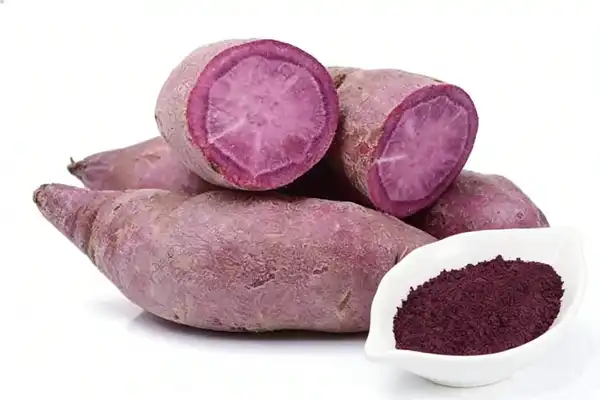
General Overview of Purple Sweet Potato Extract
Botanical Source and Production Process
Picked Ipomoea batatas types that were bred to have a lot of anthocyanins, which make the purple sweet potato juice. The first step in the extraction process is to dry and spray-dry good roots in a controlled way to keep nutrients that are sensitive to heat and make them strong enough. The way the product is made stresses using only water or food-grade ethanol to remove bioactive chemicals and not dangerous solvents that could make the product less safe or less effective. This way, the end extract keeps all of the healthy nutrients found in fresh purple sweet potatoes. It's also more concentrated and lasts longer on the shelf.
Industry Applications and Market Positioning
There are a lot of different types of business-to-business companies that use this extract. Each one uses different nutritional parts to get different benefits. The substance is used by food and drink companies as a natural source of antioxidants and colorants. This replacement for man-made colors makes the goods more useful. The extract works best in acidic drinks because it stays solid longer than many fruit-based choices, as the color changes based on the pH. The higher anthocyanin content is used by companies that make nutraceuticals to make vitamins that help keep your heart healthy, your eyes healthy, purple sweet potato extract and your skin healthy. Standard strength lets supplement makers know that all doses are the same and that treatments work as expected. This is important for making sure that ingredients in supplements do their job. Cosmetic businesses are learning more about the extract's ability to reduce inflammation and protect cells from damage so that it can be used in skin care products. The fact that it comes from nature fits with the "clean beauty" trend, and science has shown that it helps protect and heal skin.
Key Nutrients and Their Benefits
Anthocyanins: The Primary Bioactive Compounds
The things that make purple sweet potato extract work are known as anthocyanins. The deep purple color of the extract comes from cyanidin and peonidin. Because they are acylated, these water-soluble flavonoids are very stable. While they are being handled and kept, this structure keeps them safe from damage caused by light, heat, and oxidation. Some scientists have found that these anthocyanin chemicals are better for living things than other plants' non-acylated versions. Dosing sets are effective for makers because the amounts are concentrated (5–10%). This also makes sure that the color intensity and functional benefits are the same across production batches. Antioxidants like these are very strong and do a lot more than just get rid of free radicals. They also protect cells in ways that are good for the eyes, the heart, and the body's reaction to inflammation. Because it does a lot of different things, the extract can be used to make exercise goods that help with most health issues at once.
Essential Vitamins and Mineral Content
The purple sweet potato juice still has a lot of vitamin C. Vitamin C and other antioxidants work together to make anthocyanin molecules more stable and useful. Niacin, thiamine, and riboflavin are all B-complex vitamins. They help the body's metabolism and energy-making processes. Anthocyanins are good for you, but they are also good for you in other ways. There is a lot of potassium in the minerals, which is good for the heart and keeps the balance of fluids. The iron makes energy for cells and moves air around the body. These elements, along with the vitamins, give food its full structure and make the whole thing more valuable. Additionally, the dietary fiber parts get stronger during extraction, but they still help digestion and make it easy to mix the extract with drinks. Bioactive chemicals can be released more slowly when there is more fiber in the body. This may improve absorption and make the beneficial length last longer.
Phytonutrient Synergy and Bioavailability
The nutritional complexity of the extract goes beyond how different substances interact with each other. It also includes how different antioxidants interact with each other and work together. These interactions make the drug more bioavailable and help it work better. They also let companies make scientific marketing claims that are backed up by clinical studies. Low amounts of carotenoids help anthocyanins do their job as antioxidants better. This is very important for purple sweet potato extract eye health because different antioxidant routes protect eyes better from reactive stress. These acids help the main biological chemicals stay stable while the product is being stored and also make them better antioxidants.
Nutritional Facts and Quality Considerations for Procurement
Standardization Parameters and Testing Methods
If you want to buy things for work, you need to know about standard testing methods that make sure the quality of the products always stays the same and that the rules are followed. HPLC analysis correctly measures the amount of anthocyanin present. This helps manufacturers check that what's written on the label is true and that the product is consistent from batch to batch, which is important for customers to believe the product.5–10% anthocyanins is a common number that can be used for many things. Low concentrations are good for food colors, and high concentrations are good for extra medicines. Standardization helps formulators figure out the exact dose that needs to be given while also guessing the effects that will be useful and the strength of the color. Besides the amount of anthocyanin, other quality factors include the amount of wetness, the safety for microbes, the amount of heavy metals, and tests for chemicals that are still present. By doing these thorough quality checks, we make sure that the extract is safe for food and meets the stability and performance standards needed for commercial use.
Organic Versus Conventional Sourcing Considerations
If a business wants to sell to high-end customers, getting organic approval is helpful because it means that the growing and production methods will not use pesticides. Most of the time, the organic costs 15% to 30% more than normal prices. You should find out how much your target market is ready to pay for approved organic ingredients and then do a cost-benefit analysis. When it comes to bioactivity and nutritional value, regular extracts that meet high-quality standards are usually the same as natural ones. However, they are cheaper for large-scale uses. Before you choose between organic and traditional sources, you should think about where you want to sell the finished product, the rules of the people you want to sell it to, and how much it costs to make the whole thing. As with any purchase, you should make sure that the seller has the right certifications, like ISO9001, FSSC22000, KOSHER, HALAL, HACCP, and FDA permission. With these licenses, you can be sure that the quality systems used in production are up to par with global standards. Also, they show businesses what they need to prove to register their goods and sell them around the world.
Application Insights: How to Use Purple Sweet Potato Extract in Your Products
Dosage Optimization and Formulation Considerations
The best dose for each type of application is very different, so it's important to carefully consider both the function and the cost-effectiveness. To get enough anthocyanins for health purposes, most people take 100–500 mg per day. For coloring food, 50 to 200 mg per serving might be enough to get the look you want. When making things that will be exposed to heat, light, or very high or low pH levels, it is very important that the recipe stays stable. The extract is more stable than many natural colorants because it is made up of acylated anthocyanins. How well it works and how long the color lasts can still be changed by the pH of the mixture, the packing materials, and the way it is stored. Processing compatibility changes based on how the product is made. When the extract is processed cold, it works great, but when it is processed hot, it needs to be carefully managed so that the beneficial chemicals stay whole. Formulators can find the best way to cook a product so that as many nutrients as possible are retained by learning these things.
Industry-Specific Application Guidelines
This product can be used in drinks and purple sweet potato extract food because it can add color naturally and protect cells from damage. For acidic drinks (pH 2.8–3.5), the extract gives them a bright red color that doesn't change when they're made or stored for a long time. It doesn't settle to the bottom like some other natural colorants can because it dissolves in water. Nutraceutical goods use the high concentration of anthocyanins to help people's health in certain ways. More so when it comes to eye health vitamins, where the different cyanidin and peonidin profiles have been shown to work. With encapsulation technology, a product can be made more stable and accessible, while any tastes that might turn people off can be hidden. The anti-inflammatory and antioxidant properties are used in cosmetics to make products that keep the face safe. It's easy to mix the extract with water, which makes it useful in serums, toners, and creams that are made with water. It comes from natural sources, which supports the idea of "clean beauty," and people like the chemicals they are using.
Safety Profiles and Regulatory Compliance
The substance can be used in food, supplements, and products because there is a lot of information about how safe it is. One example is that there are set daily doses and lists of allergens. Because it comes from nature and doesn't contain common allergens, the makeup is fluid, and there are fewer problems with control in global markets. Labels for foods usually need to say "natural flavor" or "color from vegetable juice," while labels for vitamins may use more specific language about how much anthocyanin is in them. If you know these little rules about laws, you'll be more likely to follow them and get the most out of marketing opportunities.
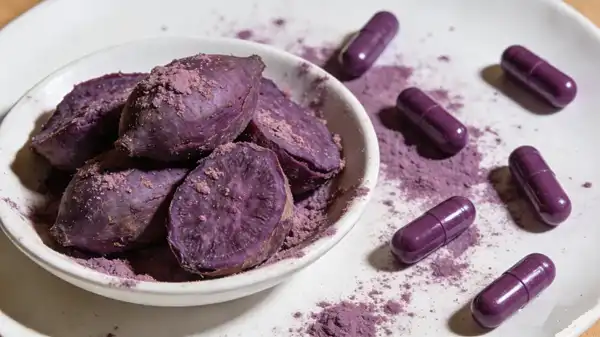
Procurement Guide for Purple Sweet Potato Extract
Supplier Evaluation Criteria and Quality Assurance
To find reliable suppliers, you should check how well they make things, how well they keep track of quality, and how safe their supply lines are. For a facility to be judged, its licenses, its ability to do analytical tests, its papers of traceability, and its expert help resources that do more than just provide ingredients should all be looked at. Suppliers should be checked to make sure they have the right HPLC testing tools, group recording systems, and cold storage facilities to keep anthocyanins safe while they are being shipped and stored. To make sure that rules are followed, you need professional quality management. For example, you can include a proof of analysis with every package that has full bacterial testing and heavy metal screens. When it comes to expert help, superior suppliers are not the same as basic suppliers. In particular, this is true for companies that are making new recipes or going after new market groups. The process of making a new product can go much faster and with less risk if you have access to application labs, formulation help, and stable testing support.
Pricing Dynamics and Commercial Terms
On the market, standardized purple sweet potato extract ranges in price from $50 to $150 per kilogram, depending on how much anthocyanin is in it and whether it is naturally approved. The price is based on the order number, the quality standards, and the licenses that are needed. Buying managers can make better deals and keep quality high if they know about these price changes. For business sales, the least amount that can be ordered is usually 25 kg, but many suppliers can work with smaller amounts for testing new products. These features make it useful for research and development (R&D) companies that want to test out different recipes or study the market before making big purchases. Payment terms and shipping plans need to be carefully thought out, especially if you're buying from another country and need to clear borders and ship items at a certain temperature, which can affect the total cost and the reliability of delivery. In markets that are always changing, you can stay ahead of the competition by teaming up with transportation companies that can adapt to your needs.
Conclusion
It turns out that purple sweet potato extract is a useful and scientifically proven ingredient that meets a number of needs at once: it adds color naturally, fights free radicals, and keeps the label clean. The full nutrient profile, which includes normal amounts of anthocyanin as well as important vitamins and minerals, helps manufacturers guess the performance traits they need to keep the quality of their products high. When procurement workers know about the extraction methods, quality standards, and application factors, they can make smart buying decisions that balance cost-effectiveness with product effectiveness. This helps a wide range of industry groups place themselves successfully in the market.
FAQ
1. What is the typical anthocyanin concentration in standardized extracts?
HPLC studies show that purple sweet potato extract, which is standardized, has 5–10% anthocyanins. For uses that need more strength, there are amounts that are higher.
2. How does the extract compare to other natural colorants in terms of stability?
The structure of acylated anthocyanin is more stable than that of fruit-based colorants that are not acylated. The color stays strong even after being cooked, left out in the sun, and put away for a long time.
3. What are the recommended storage conditions for maintaining extract quality?
The best way to store the anthocyanin is in sealed containers that are kept cool and dry (below 25°C, <60% humidity). This will keep it stable and guard against water absorption.
4. Can the extract be used in both food and supplement applications?
Yes, the extract is safe enough to use as both a food addition and a vitamin, as long as it is taken as directed and in the right amount.
5. What documentation is typically provided with commercial shipments?
There is a study of herbicide residues, microbiological tests, heavy metal screens, and HPLC data that comes with every production batch from a professional service provider.
Partner with KH for Premium Purple Sweet Potato Extract Solutions
KH delivers exceptional purple sweet potato extract solutions backed by comprehensive quality systems and technical expertise that transform your product development capabilities. Our standardized extracts feature verified 5-10% anthocyanin content through precise HPLC analysis, ensuring consistent performance across your manufacturing operations while meeting international certification standards, including ISO9001, FSSC22000, KOSHER, HALAL, and organic compliance. As your trusted purple sweet potato extract supplier, we provide end-to-end traceability from controlled cultivation bases through final packaging, eliminating quality fluctuations that compromise product consistency. Our natural extraction processes using pure water or food-grade ethanol guarantee solvent-free purity with rapid dissolution characteristics ideal for diverse formulation requirements.
Ready stock availability ensures 3-5 business day delivery for samples and standard orders, while our application laboratory provides formulation optimization, stability testing, and technical support that accelerates your product development timeline. Contact info@kingherbs.com today to discuss your specific requirements and receive detailed product specifications with comprehensive certification documentation.
References
1. Journal of Agricultural and Food Chemistry: "Anthocyanin Composition and Antioxidant Activity of Purple Sweet Potato Extracts" (2019)
2. Food Chemistry International: "Stability and Bioavailability of Acylated Anthocyanins in Food Applications" (2020)
3. Nutrients and Functional Foods Review: "Purple Sweet Potato Bioactives: From Traditional Use to Modern Applications" (2021)
4. International Journal of Food Science Technology: "Natural Colorants from Purple Sweet Potato: Extraction, Characterization and Industrial Applications" (2020)
5. Antioxidants in Health and Disease: "Cyanidin and Peonidin Derivatives: Therapeutic Potential and Bioavailability Studies" (2019)
6. Food and Chemical Toxicology: "Safety Assessment of Purple Sweet Potato Extract for Food and Supplement Applications" (2021)
Send Inquiry

Related Industry Knowledge
- Mulberry Leaf Extract Powder: Traditional Herb, Modern Science
- Can White Paeony Extract Reduce Skin Redness & Irritation?
- Can Vine Tea Extract Help Regulate Blood Sugar?
- Best Uses of Valerian Root Extract Powder in Supplements
- Why Purple Sweet Potato Extract Leads Natural Color Innovation?
- Macleaya Cordata Extract: Natural Anti-Inflammatory Ingredient
- Innovative Mango Leaf Extract Powder Applications in Supplements
- White Paeony Extract for Sensitive & Irritated Skin
- What Is The Moringa Horseradish Tree And Why Is It Called That?
- What Does A Mulberry Leaf Look Like?